How to grow shiitake mushrooms at home on a sawdust block
Published
Gear for this job
All 5 picks compared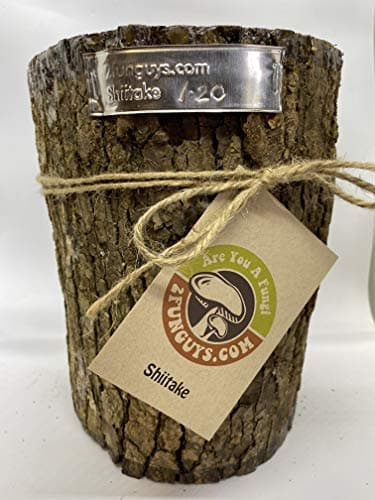
2funguys Mr. Stumpy shiitake log, 8-11 in long
See price on AmazonSee it on Amazon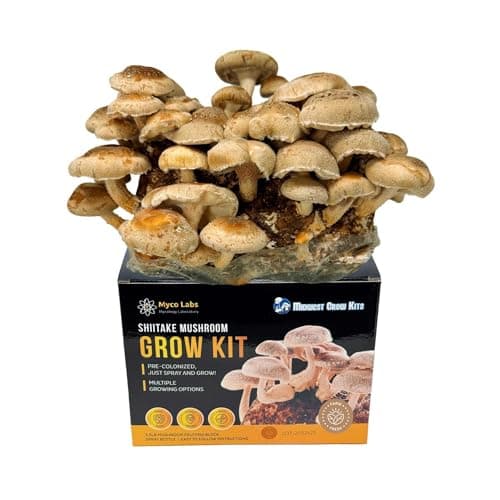
Myco Labs shiitake grow kit, 5.5 lb grow bag
See price on AmazonSee it on Amazon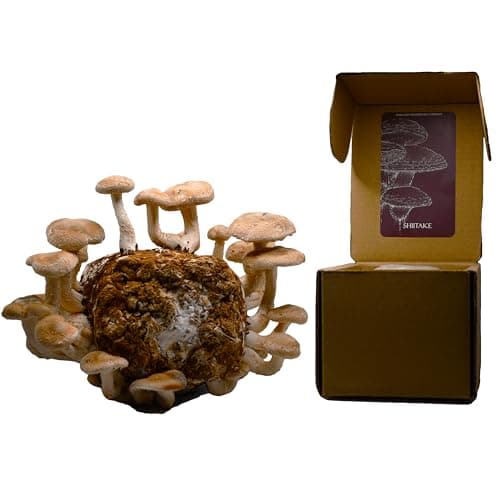
Oakland Mushroom Co. shiitake grow kit, oak block
See price on AmazonSee it on Amazon
The quickest way to grow shiitake mushrooms at home is a ready-to-fruit sawdust block: soak it in cold water for several hours, keep it at 55 to 70 F with high humidity and the first mushrooms are ready in about one to two weeks. Shiitake differs from oysters in one important way: the block must be fully browned before it fruits, and it needs a cold soak or shock each time you want a flush. This guide covers buying or making a block, triggering fruiting and getting several flushes.
Block or log: which suits growing at home
Shiitake grows naturally on dead hardwood, and the traditional method is a fresh oak log drilled and plugged with spawn. Logs are cheap and productive for years, but they need an outdoor shady spot and take 6 to 18 months before the first flush. Indoors, shiitake is grown on blocks of hardwood sawdust supplemented with bran, sealed in filter patch bags. A block fruits within weeks of arriving and fits on a kitchen counter.
If you have a yard and patience, logs give the most mushrooms for the money. If you want shiitake this month, or live in an apartment, start with a block.
Browning: why a shiitake block looks brown
A freshly colonized shiitake block is white, then forms bumps on the surface, a stage growers call popcorning. Over the following weeks the surface turns brown and leathery as the mycelium forms a protective skin, similar to bark on a log. This browning is normal and necessary: a block that is still mostly white will not fruit well and is prone to contamination if opened.
Ready-to-fruit kits arrive already browned. If you make your own blocks, expect incubation of about 6 to 12 weeks at room temperature, depending on the strain, before the block is brown over most of its surface and ready to fruit.
Making your own shiitake blocks
The standard home recipe is oak or another hardwood sawdust with 10 to 20 percent wheat bran, hydrated to about 60 percent moisture so that a squeezed handful releases only a few drops. Pack 3 to 5 lb into filter patch bags and sterilize them in a pressure canner at 15 psi for about 2.5 hours, because supplemented sawdust spoils if only pasteurized. Let the bags cool overnight before inoculating.
Inoculate with shiitake grain or sawdust spawn at 10 to 20 percent by weight, working in front of a still air box or flow hood, mix well and seal. Keep the bags at room temperature away from light at first. If that sounds like too much equipment, buy pre-filled sterile hardwood substrate bags and add spawn through a clean opening.
Triggering a flush: soak and cold shock
Shiitake fruits in response to a sudden change, imitating a cold autumn rain on a log. Remove the bag from a browned block and submerge the block in cold water for 4 to 12 hours, weighting it down so it stays under. Some growers instead chill the block in the refrigerator overnight before soaking. Follow your kit's instructions where they differ, since strains vary.
After the soak, drain the block and stand it in a humid spot at 55 to 70 F with indirect light. A humidity tent, a clear plastic tote with holes or a shelf tent with a humidifier all work. Keep humidity around 80 to 90 percent while pins form, which usually takes 5 to 10 days, and mist the air rather than soaking the caps.
Harvesting and resting between flushes
Harvest when the veil under the cap has broken and the cap is about 70 to 90 percent open, before the edges flatten or curl up. Twist the mushroom off at the base or cut close to the block. A slightly drier atmosphere in the last day or two gives the thicker, cracked-cap mushrooms that shiitake is prized for.
After the flush, let the block rest without misting for one to two weeks at room temperature so the mycelium can recover. Then soak again to start the next flush. Most blocks give 3 or 4 flushes, each smaller than the last, and the block gets lighter each time, so the soak becomes more important as it dries.
Common problems with shiitake blocks indoors
Green or blue-green patches on a block are usually Trichoderma or Penicillium mold, most often after a block was soaked while not fully browned or left sitting in water too long. Small spots on a browned block can be cut out and the block rested; widespread mold means the block is finished and should go outside to the compost.
Mushrooms with tiny caps on long stems point to stale air, so give the tent more fresh air. Caps that crack deeply and look dry mean humidity is too low while they are small; a few fine cracks late in growth are normal and even desirable. If pins form only on one side, the block may be resting on a wet surface or getting light from one direction only, so turn it every day or two.
Frequently asked questions
What temperature does shiitake need to fruit? Most strains fruit between about 55 and 70 F. Warm weather strains tolerate higher temperatures and cold weather strains prefer the lower end, so check the strain on your kit or spawn.
Why is my shiitake block not fruiting? The most common reasons are a block that has not finished browning, skipping the soak, a room that is too warm or humidity that is too low. Give it another cold soak and move it to a cooler spot.
Can shiitake grow on straw or coffee grounds? Not well. Shiitake needs hardwood sawdust or hardwood logs. Straw and coffee grounds suit oysters, not shiitake.
How much does a shiitake block yield? Yields vary by block size and strain, and the listings rarely promise exact numbers. A well-managed block typically gives several flushes, with the first being the largest.
What you need for this
- See price on AmazonAmazon
2funguys Mr. Stumpy shiitake log, 8-11 in long
From Best shiitake log kits: pre-inoculated logs and sawdust blocks
 See price on AmazonAmazon
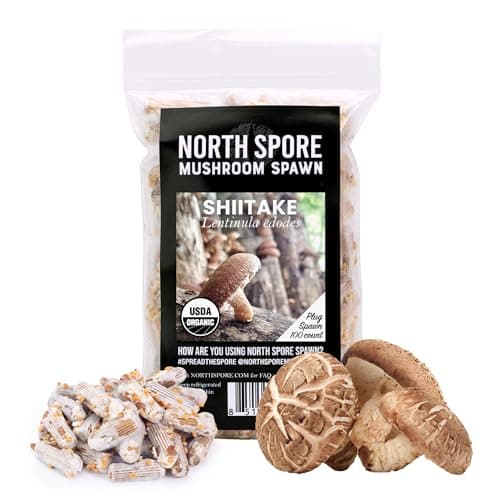
North Spore organic shiitake plug spawn, 100 ct
From Best shiitake plug spawn and what you need to inoculate a log
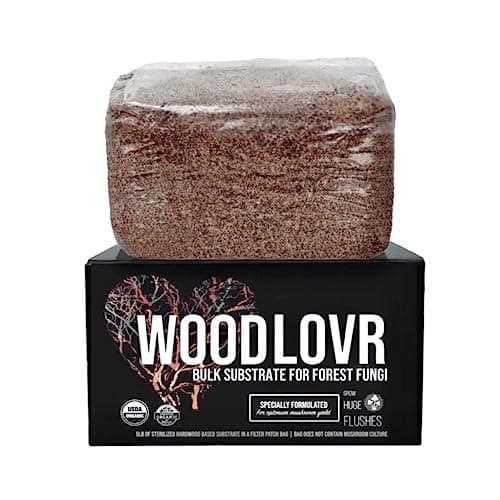 See price on AmazonAmazon
North Spore Organic 'Wood Lovr' Sterile Hardwood Mushroom Subst...
From Best sterile mushroom substrate bags: masters mix, hardwood and CVG
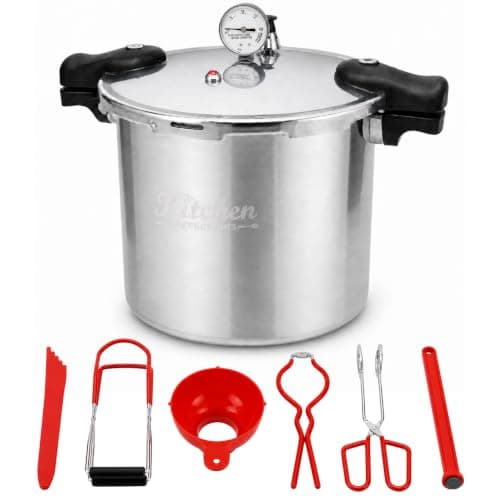 See price on AmazonAmazon
Kitchen Affections 24 qt canner kit, 10 and 15 psi
From Best pressure cookers for sterilizing sawdust blocks at home